Biohazard Cleanup
Safe, careful removal of bodily fluids and other infectious material, finished with hospital-grade disinfection.
Learn more →Indiana · Greene County
Need a biohazard cleanup company in Linton, IN right now? Call (877) 812-4220. You get cleanup technicians who work discreetly on trauma scenes, suicide scenes, hoarder homes, sewage backups and drug residue in Greene County.
If anyone is in danger, call 911 first. For a suicide crisis, call or text 988.
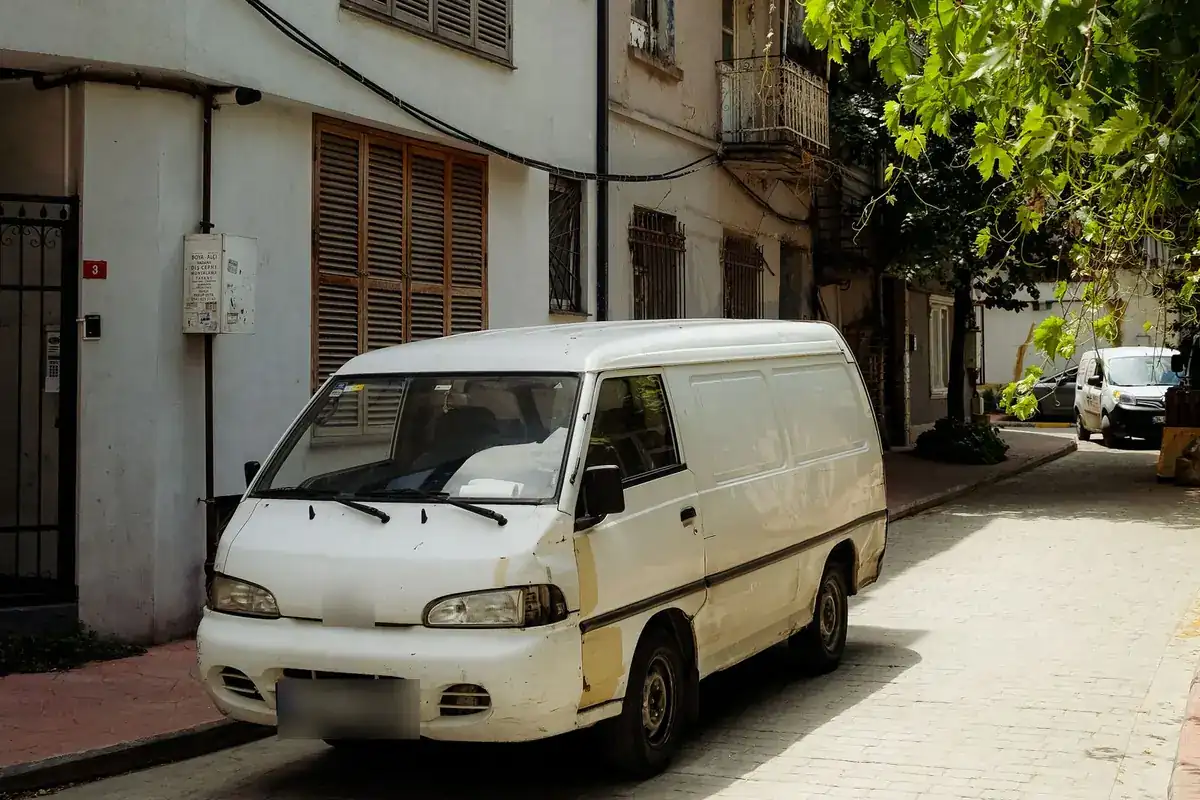
Cleaning up biohazard material is regulated work with real health risks, because blood and bodily fluids can carry bloodborne pathogens. If it happens, Linton families and businesses can call Linton Biohazard Cleanup Help for local biohazard cleanup.
Families are never asked to see or touch anything. The affected area gets cleaned from start to finish, then the result is checked before the property is handed back. This work is available around the clock in Linton, IN and across Greene County.
The census figure for older adults living alone in Linton is 38%, above the Indiana average. When someone lives alone, a death can go unnoticed for days, and unattended death cleanup follows. Around 39% of households in Linton rent. Renters should tell the landlord and the renters insurer right away, since a policy may cover belongings but usually not the building.
Professional biohazard cleanup, remediation and decontamination services follow the OSHA Bloodborne Pathogens Standard (29 CFR 1910.1030). Technicians wear personal protective equipment (PPE), including respirators, gloves and disposable suits, and treat all blood and bodily fluids as potentially infectious materials that can carry hepatitis B, hepatitis C and HIV.
Products matter because a mild cleaner will not kill bloodborne germs. Biohazard cleaners use EPA-registered, hospital-grade disinfectants, follow the label for contact time and pair them with air treatment for lingering odor.
Looking for something specific? Each card below is a separate biohazard cleanup service for Linton, with its own page on process, safety and what to expect.
Safe, careful removal of bodily fluids and other infectious material, finished with hospital-grade disinfection.
Learn more →Crime scene cleaners handle contaminated carpet, drywall and debris, then check the work before handing the space back.
Learn more →Trauma and crime scene cleanup for homes, workplaces and vehicles, handled privately with protective gear.
Learn more →After death cleaning for families, landlords and estates, handled quietly and with care.
Learn more →Professional suicide cleaning services that spare relatives and landlords from the hardest part.
Learn more →Murder scene cleanup for homes, rentals, businesses and vehicles, handled privately with protective gear.
Learn more →Blood in cars, vans and rideshare vehicles cleaned from seats, mats and panels, then disinfected.
Learn more →Soaked carpet, mattresses and furniture removed, and affected surfaces sanitized after a fluid release.
Learn more →Urine and feces cleanup that removes soaked carpet, mattresses and furniture and sanitizes the affected area.
Learn more →Odor control for landlords, buyers and families whose property still smells after a loss.
Learn more →Safe pathways, careful sorting and deep cleaning for homes with heavy buildup of belongings.
Learn more →Hoarding removal with protective gear, safe lifting and correct disposal of waste.
Learn more →Ammonia odor, urine and feces cleaned from floors, walls and air after animals are removed.
Learn more →Extreme cleaning for unsanitary homes, done with protective gear and without judgment.
Learn more →Category 3 cleanup with protective gear, sealed disposal and EPA-registered disinfectants.
Learn more →Commercial decontamination services for offices, restaurants, schools, gyms and care sites after illness.
Learn more →Biohazard remediation that removes soaked materials, treats odor and documents each step of the work.
Learn more →Local biohazard disposal services, from one sharps container to rooms of contaminated medical supplies.
Learn more →Sharps cleanup with protective gear, puncture-resistant containers and proper medical waste disposal.
Learn more →Cleanup after police release: items, residue and soiled materials handled without judgment.
Learn more →Clear steps for owners who suspect meth contamination, from first sample to final report.
Learn more →Careful fentanyl cleanup that avoids dry sweeping, controls dust and seals contaminated waste.
Learn more →Toxic waste cleanup that identifies the substance, cleans affected surfaces and follows disposal rules.
Learn more →Fuel, solvent and chemical spill cleanup for homes, farms, shops and fleet yards.
Learn more →Irritant residue removed from walls, floors, fabrics and vents after tear gas or pepper spray is released.
Learn more →Droppings cleanup in kitchens, garages, ductwork and storage rooms with protective gear and sealed disposal.
Learn more →Containment, wet removal and disinfection of bat and bird guano in attics, barns and rooftops.
Learn more →Dead animal odor removal that targets the source of the smell, not just the air.
Learn more →Biohazard car cleaning for blood, vomit and body fluids, with disinfection and safe waste disposal.
Learn more →Blood and body fluids removed and disinfected after falls, cuts, crashes and workplace injuries.
Learn more →Workplace biohazard cleanup that contains the area, removes contamination and documents the work for insurers.
Learn more →House cleanout and hauling for estates, landlords and out-of-town families after a loss.
Learn more →A technician looks for every source of contamination, including areas the eye misses, such as under flooring and inside vents. The type of biohazard sets the method.
The crew takes photos and notes of the affected areas and the work done. Homeowners insurance companies, landlords and compensation programs often ask for these records.
Contaminated materials come out, surfaces are cleaned and disinfected, and the waste is packed for lawful disposal.
Odor equipment finishes the air, the crew checks the whole area, and the owner is told what was done and what repairs may still be needed.
Cleanup technicians know families may be grieving. They keep conversations short, kind and free of judgment, and they treat belongings with care.
Local help in Linton, Bloomfield and nearby towns means crews know the area, local police and the way homes in the region are built.
Death odor and sewage smell are treated with air scrubbers and hydroxyl or ozone equipment, not masked with sprays that fade.
At crime and death scenes, work waits for law enforcement or the investigator to release the property. Nothing is disturbed before that.
Biohazard cleanup in Linton, IN typically costs $500 to $25,000, depending on the type of biohazard, the size of the affected area and how far fluids soaked into porous materials.
Most residential jobs cost $3,000 to $5,000 (Fixr). Biohazard cleanup is priced by the work that is needed, not by a flat rate that fits every home. The cleanup team explains the cost range after hearing what happened, then confirms the scope during the walkthrough.
| Type of job | Typical range |
|---|---|
| Blood spill cleanup, small area | $500 - $2,500 |
| Crime scene cleanup, most homes | $1,500 - $7,500 |
| Unattended death cleanup | $2,000 - $7,000 |
| Suicide cleanup | $1,500 - $5,500 |
| Sewage cleanup, most homes | $2,000 - $10,000 |
| Hoarding cleanup, level 3 home | $2,000 - $5,000 |
| Meth lab cleanup, typical | $15,000 - $20,000 |
Estimates only, not a quote. Sources: Fixr, Yelp Costs, BioCleaners Directory, PushLeads, Dropcurb, Bob Vila and cleanup company cost guides. Call (877) 812-4220 to talk through the job.
When a death goes unnoticed for days, decomposition fluids reach flooring and subfloor and the odor spreads. Death cleanup removes the affected materials and treats the odor at the source.
Homes, churches and businesses may need infectious disease disinfection, needle and sharps cleanup, or meth lab and fentanyl decontamination after a property is released.
An average July high of 86 degrees in Linton speeds up decomposition after a death. The sooner the scene is released and cleaned, the less the odor and fluids spread.
Offices, shops, churches and other public spaces may need cleanup after an injury, illness outbreak or break-in. The work is planned around staff, customers and reopening dates.
Failing septic systems and sewer backups push raw sewage, a Category 3 biohazard, into homes. Sewage cleanup removes contaminated materials and disinfects every surface.
With a vacancy rate of 9% in Greene County, empty buildings can collect animal waste, drug paraphernalia and storm damage that nobody sees until later.
Health risks vary by material. Blood and bodily fluids bring bloodborne pathogens, decomposition brings bacteria and odor, and waste and residue bring their own dangers. Job size then sets the scale of the response.
Biohazard cleanup is the removal, cleaning and disinfection of anything that can spread disease: blood, bodily fluids, tissue, decomposition, human and animal waste, raw sewage, sharps and drug residue. It covers crime scene cleanup, unattended death cleanup, trauma scene cleanup, suicide cleanup, hoarding cleanup and infectious disease disinfection.
The lease and local law decide, but landlords commonly get biohazard cleanup done for the building. A renters insurance policy may cover the tenant's belongings. Talk to the landlord and your insurer early.
A few drops from a small cut can sometimes be cleaned up by a careful person wearing gloves, with disinfectant on hard surfaces. Larger amounts, anything on porous materials, or fluids from another person are best left to a cleanup crew.
A cleanout of belongings can take from a day to several weeks depending on how much is in the home. If a death left biohazards, the biohazard cleanup comes first, and sorting or hauling follows once the area is safe.
The cost depends on the type of contamination, the size of the area, how many porous materials must be removed, odor treatment and waste disposal. A small spill costs far less than an unattended death or a hoarded home. The cleanup team explains the cost range after hearing the details.
Safe cleaning means PPE, containment, removal of porous materials, cleaning, EPA-registered disinfectant for the full contact time, and sealed disposal of the waste. A small household spill is a different matter than a death or crime scene, and anything larger than a few drops should be left to a crew.
They can. About 73% of homes in Linton were built before 1980, and older carpet, subfloor and trim absorb fluids deeply. The crew inspects each home to see how far the contamination went.
The nearest emergency room is Greene County General Hospital in Linton, about 1 miles from Linton. In any emergency, call 911 first. Cleanup waits until people are safe.
If the property is in Jasonville, Worthington or anywhere else near Linton, the call is the same: (877) 812-4220. Day or night, call Linton Biohazard Cleanup Help for help anywhere in Greene County and the surrounding area.
Ask about the steps, the cost range and insurance before anything starts.
Call (877) 812-4220